
Ledger.com/Start® | Getting started®™ — Ledger Support
Ledger.com/start provides practical guidance for Ledger wallet setup, device initialization, Ledger Live connection, account management, recovery protection, and secure crypto practices.
Ledger.com/start: A Practical Guide to Ledger Wallet Setup
Setting up a Ledger hardware wallet is an important first step for users who want to manage digital assets through a self-custody approach. Ledger.com/start is associated with the initial setup journey, helping users understand device preparation, compatible Ledger software, account configuration, recovery protection, and secure transaction practices.
What Is Ledger.com/start?
Ledger.com/start is a starting point for learning about Ledger hardware wallet setup. The setup process generally involves connecting the Ledger device, installing the appropriate companion software, initializing the wallet, and completing the security steps presented by the device.
A hardware wallet is designed to keep private keys protected within the device. Transactions can then require physical confirmation, adding an important security layer when interacting with cryptocurrency accounts.
Preparing for Ledger Wallet Setup
Before starting, place your Ledger device in a private and secure environment. Use a trusted computer and make sure its operating system and security software are reasonably up to date.
Have the device and its required cable or accessories available before beginning. Avoid using setup instructions received through random messages, advertisements, or unknown websites.
It is also important to carefully verify the software and website being used during setup. Fake wallet websites and fraudulent support messages can attempt to collect sensitive recovery information.
Connecting Your Ledger Device
Connect the Ledger hardware wallet to your compatible computer and follow the instructions provided by the supported Ledger software.
The device may require you to configure security settings and confirm information directly on its screen. Pay attention to these prompts rather than relying only on information displayed on your computer.
Ledger Live and Wallet Management
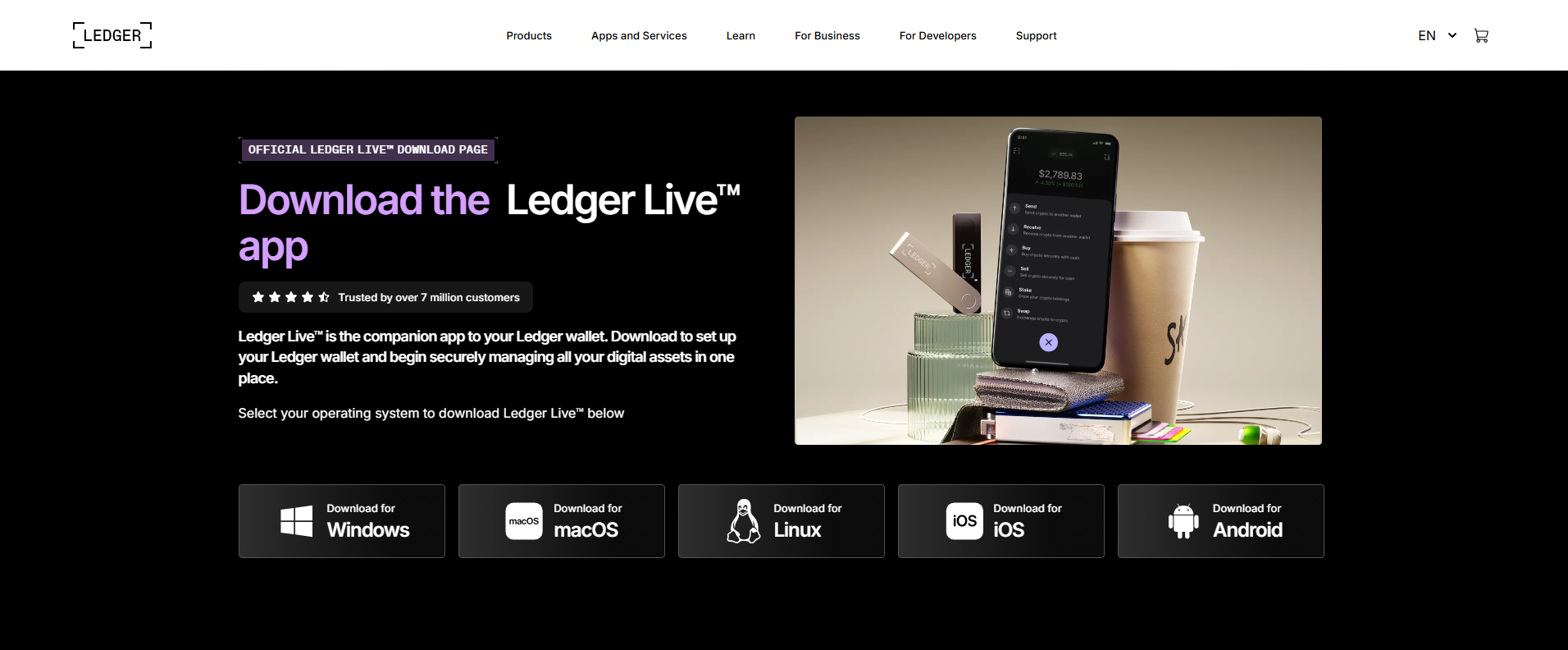
Ledger Live is the companion software commonly associated with Ledger hardware wallets. It provides an interface for managing supported crypto accounts, viewing balances, installing supported blockchain applications, and preparing transactions.
The software works together with the physical Ledger device. The device provides an additional security layer by keeping private keys protected and requiring confirmation for important wallet operations.
Creating and Protecting Your Recovery Phrase
During Ledger wallet setup, the device may generate a recovery phrase. This recovery information is one of the most important security elements associated with the wallet.
Write the recovery words down exactly as instructed by the device. Store the backup in a private and secure offline location.
Never share your recovery phrase with another person. Do not enter it into a website, online form, email, messaging application, or cloud document. Legitimate support should not require your complete recovery phrase.
If someone obtains your recovery phrase, they may be able to restore the associated wallet on another compatible device.
Setting Up a Secure PIN
A device PIN helps protect access to the physical Ledger wallet. Choose a PIN that is difficult for others to guess and avoid using easily identifiable combinations.
Keep the PIN private and do not disclose it through messages or support requests. When entering security information, make sure you are interacting with your own Ledger device.
Managing Crypto After Setup
Once the Ledger wallet has been initialized and connected with the appropriate software, users can begin managing supported cryptocurrency accounts.
Depending on the supported assets and current software features, Ledger Live can provide tools for checking account balances, receiving assets, sending transactions, and managing applications.
Before approving a transaction, carefully compare the information shown on the Ledger device with the transaction you intended to make. This provides an opportunity to identify incorrect addresses or unexpected transaction details before confirmation.
Important Ledger Security Practices
A secure hardware wallet setup depends on more than the physical device. Good security habits should continue whenever you access your wallet.
Keep your recovery phrase offline and private. Download wallet software only from trusted sources. Avoid clicking suspicious wallet-related links and be cautious of unsolicited messages claiming to offer technical support.
If a website or person asks for your recovery phrase, private keys, or PIN, stop and verify the request before continuing.
Common Ledger Setup Mistakes
One common mistake is entering recovery information into an online form. Your recovery phrase should remain offline and confidential.
Another mistake is approving transactions without checking the details displayed on the physical device. Always review important transaction information before confirming.
Users should also be cautious when installing browser extensions or applications that claim to be required for wallet recovery or account verification.
Ledger.com/start Setup Checklist
Before completing your setup, review the following:
• Use a trusted computer and secure internet connection.
• Connect the Ledger hardware wallet correctly.
• Install the appropriate official companion software.
• Follow the instructions displayed by the physical device.
• Create a secure PIN.
• Write down the recovery phrase accurately.
• Store recovery information offline and securely.
• Never share your recovery phrase or PIN.
• Review transaction details directly on the Ledger device.
• Keep wallet software and your computer environment updated.
Final Thoughts
Ledger.com/start provides a useful starting point for understanding the Ledger wallet setup process. From connecting the hardware wallet and configuring Ledger Live to protecting recovery information and confirming transactions, each stage contributes to a secure self-custody workflow.
Take time to verify each setup instruction and keep your recovery information private. Once the initial configuration is complete, you can use the Ledger hardware wallet and compatible software to manage supported digital assets with greater control over your wallet credentials.
Updated about 8 hours ago