
Ledger.com/Start® — set up your Ledger hardware wallet
Explore Ledger.com/start for guidance on initializing a Ledger hardware wallet, connecting Ledger Live, organizing crypto accounts, and protecting important recovery information.
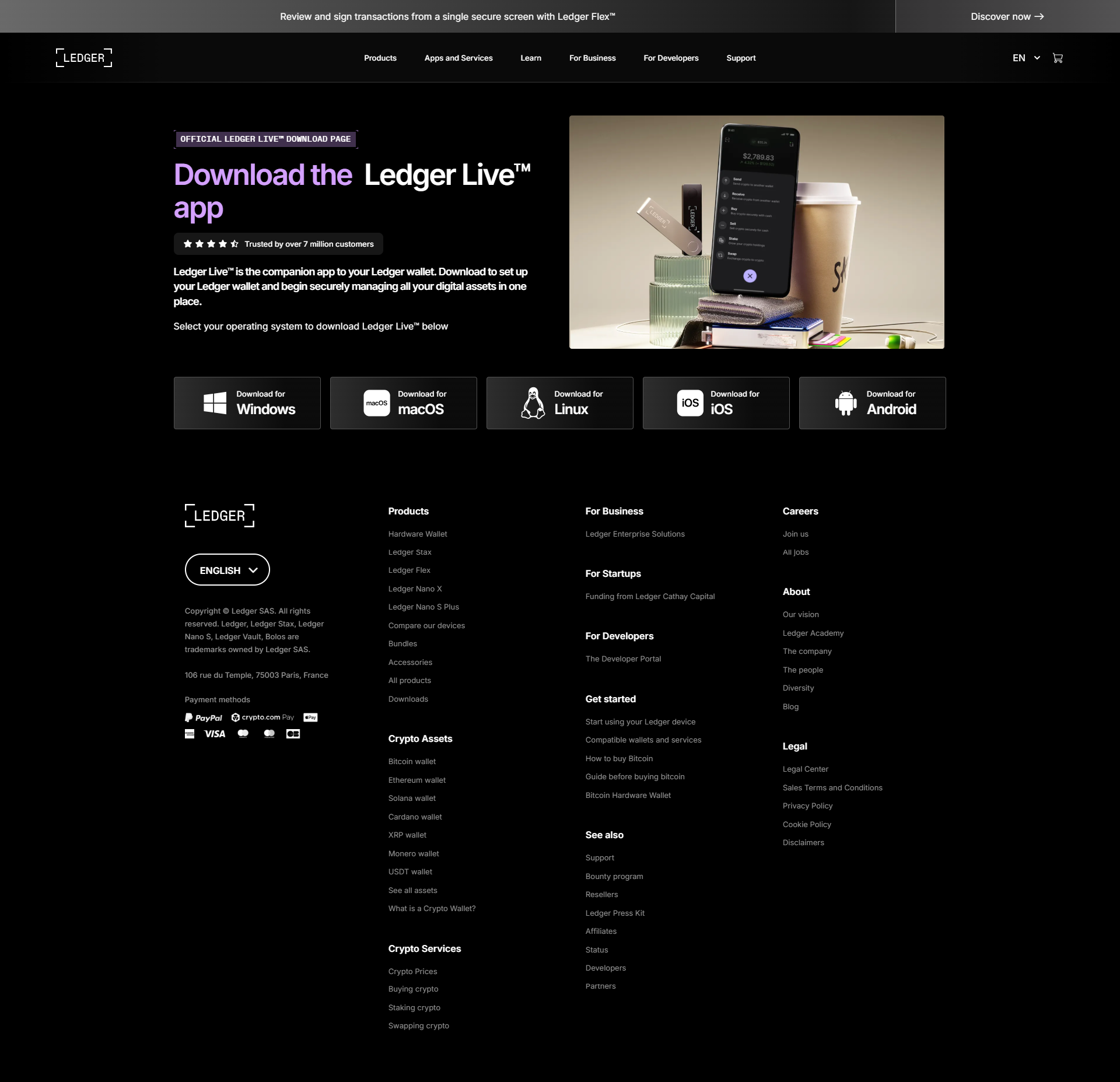
Ledger.com/start: Guide to Ledger Wallet, App Setup, and Ledger Live Login
Setting up a Ledger wallet is an important first step for users who want to manage supported cryptocurrency assets through a hardware wallet. The setup process involves preparing the physical device, installing compatible wallet software, protecting recovery information, and understanding how Ledger Live login fits into everyday wallet management. Ledger.com/start can be used as a useful starting point for learning these fundamentals.
What Is Ledger.com/start?
Ledger.com/start is associated with the beginning of the Ledger hardware wallet setup process. It introduces users to the basic steps involved in preparing a compatible Ledger device and connecting it with supported wallet software.
A hardware wallet is different from a conventional web account. The physical device plays an important role in protecting sensitive wallet operations, while the software interface helps users view accounts, manage supported assets, and prepare transactions.
Understanding the Ledger Wallet
A Ledger wallet combines dedicated hardware with compatible wallet software to provide a structured environment for cryptocurrency management. The physical device is used during important security operations, while the software can display account information and help users organize supported digital assets.
Before using a Ledger wallet, users should become familiar with the device, its security features, and the importance of keeping recovery information private.
Getting Started With the Ledger Wallet App
The Ledger wallet app provides a software interface for interacting with supported Ledger hardware wallets. Depending on the available features, users may use compatible wallet software to review accounts, monitor balances, manage supported assets, and prepare transactions.
When installing a wallet application, always pay attention to the source. Avoid downloading cryptocurrency software from unexpected links, unofficial pages, suspicious advertisements, or messages from unknown contacts.
Using trusted software is an important part of maintaining a secure wallet environment.
How Ledger Live Login Fits Into Wallet Management
Ledger Live login can be understood as part of accessing the software environment used for compatible Ledger wallet activities. It should not be confused with a traditional online banking login.
The hardware wallet remains an important component of the security process. Depending on the operation, users may need to connect and unlock their physical device before continuing with wallet activities.
If an unexpected website asks for your recovery phrase as part of a Ledger Live login process, do not provide it. Recovery information should never be treated as an ordinary login credential.
Preparing Your Ledger Device
Before beginning the setup process, inspect your Ledger hardware wallet and prepare a compatible computer or supported device. Follow the appropriate setup instructions carefully and avoid rushing through security prompts.
When the hardware wallet displays information directly on its screen, review it carefully. The physical device is an important part of the verification process, especially when dealing with sensitive wallet operations.
Creating or Restoring a Wallet
During the initial setup, the supported software may guide users through creating a new wallet or completing another supported wallet configuration.
Recovery information is one of the most important parts of this process. Depending on the setup method, users may receive recovery information that can be used to restore access to their wallet.
Keep this information private and store it securely. Never enter it into an unfamiliar website, online form, support chat, email, or application.
Protect Your Ledger Wallet Recovery Information
A recovery phrase should receive a much higher level of protection than a normal password. Anyone who obtains sensitive recovery information may potentially gain access to the associated wallet.
Never share your recovery phrase with someone claiming to be Ledger support. Be cautious of websites or messages that say your wallet needs to be synchronized, validated, unlocked, or restored by entering recovery information.
Legitimate wallet management should never require you to casually disclose your recovery phrase.
Verify Transactions on Your Device
A secure Ledger wallet routine includes transaction verification. Before approving a transaction, review the recipient address, amount, network, and other relevant details.
Do not rely only on information shown on your computer. When the hardware wallet displays transaction details for confirmation, compare those details with your intended transaction.
If something does not match, stop and investigate before approving the operation.
Avoid Fake Ledger Live Login Pages
Cryptocurrency users should remain alert to phishing websites that imitate wallet applications or login pages. A fraudulent page may use familiar terminology such as Ledger wallet, Ledger Live, or Ledger Live login to appear legitimate.
Avoid clicking unexpected links received through email, social media, advertisements, or private messages. Instead, independently verify the source before interacting with wallet software.
Never enter recovery information into a webpage simply because it claims to be required for account verification or wallet access.
Managing Your Ledger Wallet After Setup
Once the initial setup has been completed, compatible Ledger software can help users manage supported cryptocurrency accounts. Depending on available features, users may review balances, monitor account activity, organize accounts, and prepare supported transactions.
Regular wallet management should remain security-focused. Keep the hardware device under your control and continue protecting your recovery information after setup is complete.
Ledger Wallet App and Desktop Management
For users who prefer a computer-based interface, compatible Ledger wallet software can provide a larger workspace for reviewing accounts and supported assets. This can make routine wallet management easier to organize.
Regardless of the device or interface being used, the physical hardware wallet remains an important part of the security workflow. Software should not be treated as a replacement for careful device verification.
Common Ledger Setup Mistakes
Several avoidable mistakes can create security problems during wallet setup. These include downloading software from an unfamiliar source, sharing recovery information, ignoring unexpected hardware-wallet messages, and approving transactions without reviewing the details.
Another common mistake is treating every Ledger Live login prompt as trustworthy. Always consider whether the page or application you are using comes from a legitimate source before entering any information.
Final Thoughts
Ledger.com/start provides a useful starting point for understanding Ledger wallet setup, compatible wallet software, and the broader security workflow. The Ledger wallet app can provide a convenient interface for managing supported accounts, while Ledger Live login is part of accessing the software environment used for compatible wallet activities.
A secure routine begins with trusted software and continues with careful device verification, private recovery information, and thorough transaction review. By understanding the relationship between the Ledger wallet, wallet app, and Ledger Live environment, users can approach cryptocurrency management with greater clarity and security awareness.
Updated about 8 hours ago