
Ledger.com/Start® — Getting Started with Ledger Live™
Explore Ledger.com/start to learn about preparing a Ledger hardware wallet, connecting Ledger Live, managing crypto accounts, and protecting sensitive recovery information.
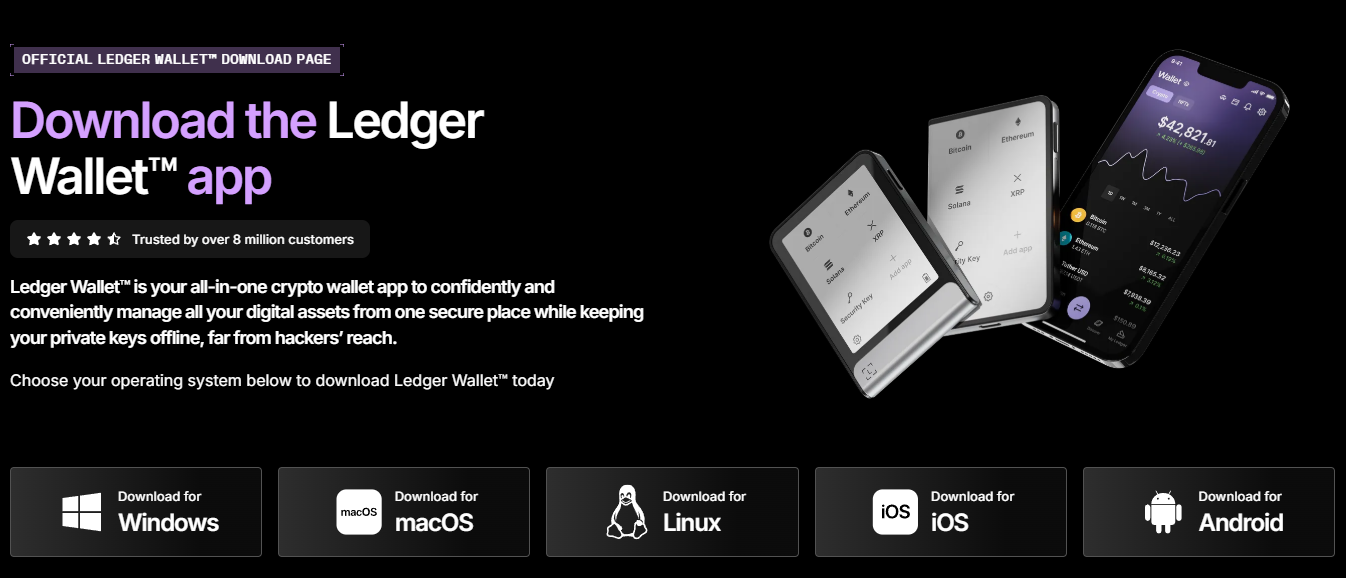
Ledger.com/start: Your Guide to Ledger Wallet Setup
A Ledger hardware wallet gives users a way to manage supported digital assets while keeping important wallet credentials protected by a physical device. For anyone beginning the setup process, Ledger.com/start can be a useful starting point for understanding device initialization, the Ledger wallet app, account management, and secure access to Ledger software.
Understanding the Ledger Wallet Setup Process
A Ledger wallet is designed around self-custody, meaning users are responsible for protecting the credentials that provide access to their digital assets. The hardware device plays a central role in securing private keys and confirming sensitive wallet operations.
Before starting, prepare a trusted computer, a stable connection, and the Ledger hardware wallet. It is best to complete the initial setup in a private environment where other people cannot observe your security information.
Using Ledger.com/start
The Ledger.com/start setup journey helps users become familiar with the steps involved in preparing a Ledger device. After connecting the hardware wallet, follow the instructions provided by the supported Ledger software and carefully read the messages displayed on the device.
Do not rush through the setup process. Information displayed directly on the physical Ledger device should be reviewed before important security actions are confirmed.
Ledger Wallet App
The Ledger wallet app provides an interface for interacting with supported cryptocurrency accounts. Depending on the current device and software capabilities, users can use the application to view balances, organize accounts, manage supported assets, and prepare transactions.
The application works alongside the physical Ledger device. The software provides the management interface, while the hardware wallet is used for important security and transaction-confirmation steps.
When installing a Ledger wallet app, use trusted sources and verify that the software is genuine. Avoid unofficial applications that request sensitive wallet information.
Ledger Live Login Explained
After installing and configuring Ledger software, users may encounter the Ledger Live login process when accessing available account-management features. Login credentials used by an application should not be confused with the recovery information associated with the hardware wallet.
Never enter your recovery phrase into a login page. A recovery phrase is highly sensitive backup information and should remain offline and private.
If a website or message claims that you must provide your recovery phrase to complete a Ledger Live login, treat the request as suspicious and verify the situation through trusted Ledger resources.
Protecting Your Recovery Information
During wallet initialization, the Ledger device may provide recovery information that can be used to restore access to the wallet. This information should be recorded carefully and stored securely offline.
Write down the recovery words exactly as instructed by the device. Keep the backup away from unauthorized access and avoid creating unnecessary digital copies.
Never share recovery information through email, messaging services, screenshots, cloud storage, or online forms. Your recovery phrase should be treated differently from ordinary application credentials because it can potentially provide access to the associated wallet.
Securing Your Ledger Device
A secure PIN helps prevent unauthorized access to the physical Ledger wallet. Choose a PIN carefully and keep it confidential.
When using the device, pay attention to the information shown on its screen. For cryptocurrency transactions, compare the recipient information and transaction details displayed on the hardware wallet with what you intended to approve.
Only confirm a transaction after checking the relevant details.
Managing Accounts With Ledger Software
Once setup is complete, the Ledger wallet app can provide a convenient interface for managing supported accounts. Users may be able to monitor balances, receive cryptocurrency, prepare outgoing transactions, and manage supported applications.
Available features can vary depending on the Ledger device, supported cryptocurrency, and current software version. Always follow the instructions provided by the current version of the software.
Avoiding Common Ledger Wallet Risks
Phishing is an important risk for cryptocurrency users. Fraudulent websites can imitate wallet interfaces and attempt to collect recovery phrases, passwords, PINs, or other sensitive information.
Be careful with unexpected messages claiming that your wallet needs urgent verification. Do not click suspicious links or provide confidential wallet information in response to unsolicited requests.
Keep your computer and wallet software maintained, and use trusted sources when installing updates or applications.
Ledger Wallet Setup Checklist
Before using your wallet regularly, review these points:
• Prepare a trusted computer and private setup environment.
• Connect the Ledger hardware wallet correctly.
• Use the appropriate Ledger wallet app.
• Follow the instructions displayed on the physical device.
• Configure your device security settings.
• Record your recovery information accurately.
• Store the recovery backup securely offline.
• Keep your PIN and recovery information confidential.
• Use trusted software when completing a Ledger Live login.
• Verify transaction details directly on the Ledger hardware wallet.
• Stay alert for phishing websites and fraudulent support messages.
Final Thoughts on Ledger.com/start
Ledger.com/start introduces the basic concepts involved in setting up and using a Ledger wallet. From preparing the hardware device to using the Ledger wallet app and accessing supported Ledger software, each stage should be completed carefully.
The most important part of maintaining a self-custody wallet is protecting sensitive information. Keep your recovery phrase offline, safeguard your PIN, verify transactions on the physical device, and remain cautious when dealing with wallet-related websites or messages.
With these practices in place, users can build a more secure routine for managing supported digital assets through their Ledger hardware wallet.
Updated about 8 hours ago